Protective coatings are essential solutions that prevent critical infrastructure and materials from degradation and corrosion, whether above or below the water line. However, not all surfaces are created equal; depending on the specific surface environment and substrate you will be covering, different types of protective coatings must be used to ensure they perform as intended.
Before diving into the specific formulations, it is vital to understand the foundational concepts. If you are new to this industry, you might want to read our comprehensive guide on what a protective coating is to establish a baseline.
In asset management, selecting the proper industrial coating types is the first line of defense against environmental hazards. Below, UESI’s expert guide breaks down the four most common types of protective coatings used to ensure long-term structural integrity.
The 4 Most Common Types of Protective Coatings
1. Epoxy Coatings
Epoxy coatings stand out as one of the most widely used industrial coating types in the marine industry. This specialized epoxy coating functions as a multi-stage system, often combining a primer with a high-performance finish coating engineered specifically to protect metal substrates from oxidation and severe corrosion.
Within this category, epoxy polyamide coatings are highly favored because they will always offer exceptional moisture resistance. However, asset owners should note a key limitation: when exposed directly to sunlight, these corrosion-resistant coatings may chalk and experience reduced UV resistance. For regular asset health checks, executing an industrial coatings inspection is recommended to monitor potential chalking.
2. Polyurethane Coatings
While epoxies excel in submerged or chemical environments, polyurethanes are the premier choice when finish, flexibility, and UV stability are required. Polyurethanes serve as excellent topcoats over epoxy primers, providing a gloss-retentive and impact-resistant barrier. These types of protective coatings are widely used where assets face both physical wear and harsh atmospheric exposure.
3. Polysiloxane Coatings
Polysiloxane coatings have gained massive popularity in heavy industry due to their premium performance characteristics. They are excellent because of their unparalleled resistance to corrosion, mechanical abrasion, harsh chemicals, and UV damage.
Because of this well-rounded resilience, this option is often used for protective coating applications on high-consequence infrastructure, including steel tanks, power plants, and paper mills. In fact, these systems share commonalities with advanced nuclear coating formulations, where failure is not an option.
4. Zinc-Rich Primers
Lastly, zinc-rich primers are a top category of heavy-duty corrosion-resistant coatings that contain powdered zinc. They operate on the principles of galvanic protection, sacrificing zinc to protect the underlying steel structures from corrosion.
To achieve maximum efficacy, these types of protective coatings are usually applied as a meticulous two- or three-coat process and form the backbone of industrial corrosion prevention in high-salinity marine environments.
Industrial Protective Coating Applications in the Gulf Coast
Selecting from these industrial coating types depends entirely on your specific operational environment. For instance, the needs of a coastal facility differ greatly from those of inland infrastructure.
Typical protective coating applications include:
- Marine Infrastructure: Ship hulls, offshore platforms, and piers require robust, corrosion-resistant underwater coatings.
- Power Generation: These facilities rely heavily on specialized coatings. To understand the extreme demands of these environments, discover why coating solutions are important for nuclear power plants.
- Water Treatment and Piping: Tanks and underwater pipelines require constant monitoring and specific lining protection.
Why Applying Corrosion-resistant Coatings Matters for Underwater Assets
No matter which of the different types of protective coatings you choose, they’re essential for your assets’ maintenance. These coatings create durable, waterproof barriers that shield submerged structures from harsh marine environments. Their primary benefits include preventing aggressive saltwater corrosion, deterring damaging biological growth (biofouling), and improving fuel efficiency by reducing drag. These specialized coatings provide several core operational and financial advantages:
- Corrosion & Degradation Prevention: Submerged surfaces are highly susceptible to rust and microbiologically induced corrosion (MIC). Corrosion-resistant coatings such as epoxy and polyurethane create a non-porous seal that protects steel, concrete, and pipelines from aggressive chemical breakdown.
- Biofouling Resistance: Anti-fouling formulas prevent marine organisms such as barnacles and algae from attaching to surfaces, reducing maintenance and structural weight. Non-toxic variants create ultra-smooth surfaces that discourage attachment without releasing harmful chemicals into the water.
- Enhanced Fuel Efficiency & Speed: By maintaining a smooth hull, anti-fouling and foul-release coatings minimize hydrodynamic drag. This reduction in friction can decrease vessel fuel consumption by up to 12%.
- Reduced Drydocking Costs: Durable industrial coatings types reduce the frequency at which ships and platforms need to be taken out of the water for expensive structural repairs.
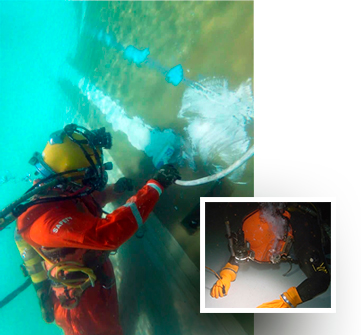
- Specialized Application & Sustainability: Modern non-toxic systems are designed to avoid toxic biocide leaching, ensuring compliance with strict environmental regulations. Furthermore, many advanced marine epoxies can be applied by divers directly onto wet surfaces, eliminating the need to dewater the structure.
Partner with UESI’s Coating Specialists
Determining the best choice from all the different types of protective coatings requires certified technical expertise. At UESI, we work closely with qualified Coating Specialists who will facilitate and advise you on which coating system is best suited to your specific industry needs.
Our team is fully equipped and able to help with all aspects of facility coatings, both above and below water. We deliver targeted regional solutions across the East Coast, including dedicated operations for protective coatings and corrosion control in Florida, as well as tailored services in New Jersey and Virginia.
Contact our team today and schedule an appointment with our nearest office. We guarantee you can count on our reputable, experienced, and qualified professionals to help you successfully execute any project, whether it is proactive coating applications on a power plant or a new pier construction.
Stay connected with UESI! Follow us on social media to keep up with our latest projects, innovative coating solutions, and industrial insights. Facebook, LinkedIn, and YouTube.